

Insurance Coverage for Siding Repair in Louisiana: A Comprehensive Guide
November 3, 2025
•
Written By
HDS Contractors



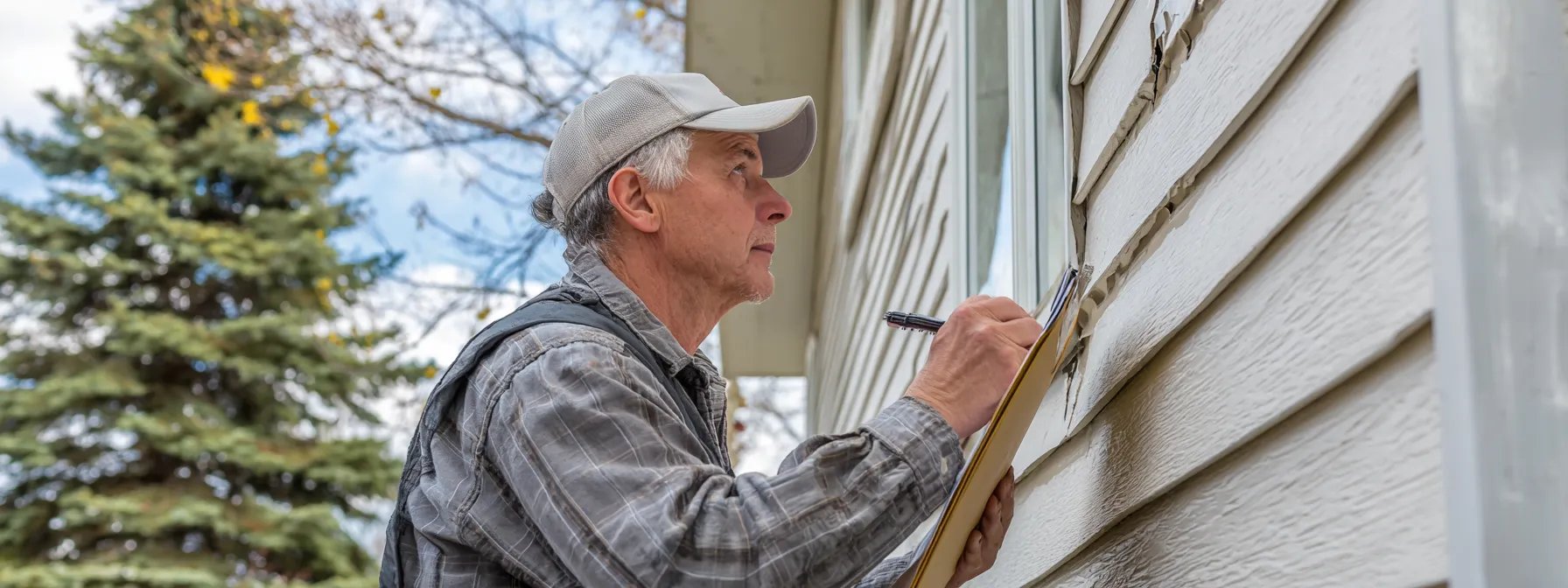
When your home’s siding gets damaged—whether from a storm tearing through the bayou or moisture creeping in after a long Louisiana summer—it can feel like a sucker punch to your sense of safety. Siding isn’t just about curb appeal. It’s your home’s armor: keeping out water, pests, heat, and structural headaches you definitely don’t want.
But when something goes wrong, one question rises to the top fast: “Will my insurance cover this?”
This comprehensive guide breaks down everything homeowners in Louisiana need to know about siding repair insurance coverage—what’s included, what gets denied, how to file a claim, and how to make sure you’re not getting the short end of the stick.
Below, you’ll find straightforward explanations, practical steps, and real-life insights that make navigating insurance a whole lot less stressful.
Key Takeaways
• Many siding repairs are covered by home insurance, but only when the cause of damage is sudden, accidental, and not due to neglect.
• Louisiana homeowners face unique risks—hurricanes, hail, humidity, and flooding—and coverage varies depending on the type of policy you have.
• Insurance will not cover pre-existing damage, wear and tear, or improperly installed siding.
• Filing a strong claim requires documentation, estimates from reputable contractors, and quick action.
• You have the right to request full siding replacement if a partial repair won't match due to discontinued materials.
• Working with an experienced siding contractor is often the difference between a denied claim and a fully covered project.
Insurance Coverage for Siding Repair in Louisiana: What Homeowners Need to Know
When siding damage happens, Louisiana homeowners are dealing with a completely different set of conditions than most other parts of the country. Between hurricanes that rip off panels like loose stickers and humidity that sneaks behind old siding like an uninvited guest, your home’s cladding takes a beating.
But the good news? Insurance can cover siding repair—and often does—if your policy is structured right and the cause is covered.
Let’s break it all down.
What Types of Siding Damage Are Typically Covered?
Home insurance usually covers siding repair when the damage is the result of:
Sudden, Accidental Events
Think of events you couldn’t predict or prevent:
- Hurricane-force winds
- Flying debris during storms
- Hail impact
- Downed trees and branches
- Fire or smoke damage
- Vandalism
- Accidental vehicle impact
If Mother Nature or an accident did the damage, your policy will likely step in—especially with Louisiana’s storm history.
Wind & Hail: The Big Ones in Louisiana
Most Louisiana homeowners file claims due to:
- Cracked siding from hail
- Wind-torn siding panels
- Water infiltration after storm damage
Given the severity of Gulf storms, many policies specifically include (or require riders for) wind and hail coverage. If you’re not sure whether yours does, now is the time to check.
Matching Coverage
Louisiana homeowners often worry about mismatched siding after a repair. If your old siding is discontinued, your insurance may be required to pay for full replacement—not just the damaged section. The key word here is matching.
This is where working with a seasoned contractor really matters. They know how to document mismatched materials so the insurance company understands why partial repair isn’t acceptable.
What Insurance Usually Won’t Cover
Not every problem counts as a covered event. In fact, some issues almost always get denied.
Here’s where insurance draws the line:
Wear and Tear
Louisiana heat, humidity, and sun exposure can age siding fast, but:
- Warping from age
- Fading
- Cracking from old age
- Moisture-related rot
- Pest damage
…typically aren’t covered.
Improper Installation
If the last contractor didn’t install your siding correctly (or skipped flashing, sealing, or moisture barriers), insurance usually considers that a workmanship issue—not their responsibility.
Neglect
If damage worsened because the homeowner ignored it, insurance calls it "preventable" and won’t pay.
Think:
- Mold from untreated water intrusion
- Rot from years of moisture buildup
- Siding issues you let sit too long
If the insurer believes the damage got worse because you didn’t address it promptly, they may deny coverage.
How Louisiana’s Climate Affects Siding Claims
Living in Louisiana means dealing with:
- Intense sun exposure
- Heavy rains
- Flooding
- Salt-laden coastal winds
- Mold-friendly humidity
- Hurricane seasons that seem to get stronger every year
All these factors increase the chances of siding damage—and also increase the scrutiny from insurance companies.
Some carriers have tightened wind and hail claims in certain Louisiana parishes due to high risk. That’s why knowing your policy details (and keeping documentation) gives you a big advantage.
How to File a Siding Damage Insurance Claim in Louisiana
Filing a claim is a little like walking through a mud-soaked jobsite: you want to avoid the messy parts. Follow these steps to keep things simple and clean.
1. Assess and Document the Damage
Immediately after a storm or incident:
- Take clear photos from multiple angles
- Include close-ups
- Document interior damage if water got in
- Note the date and time of the event
The more evidence, the better.
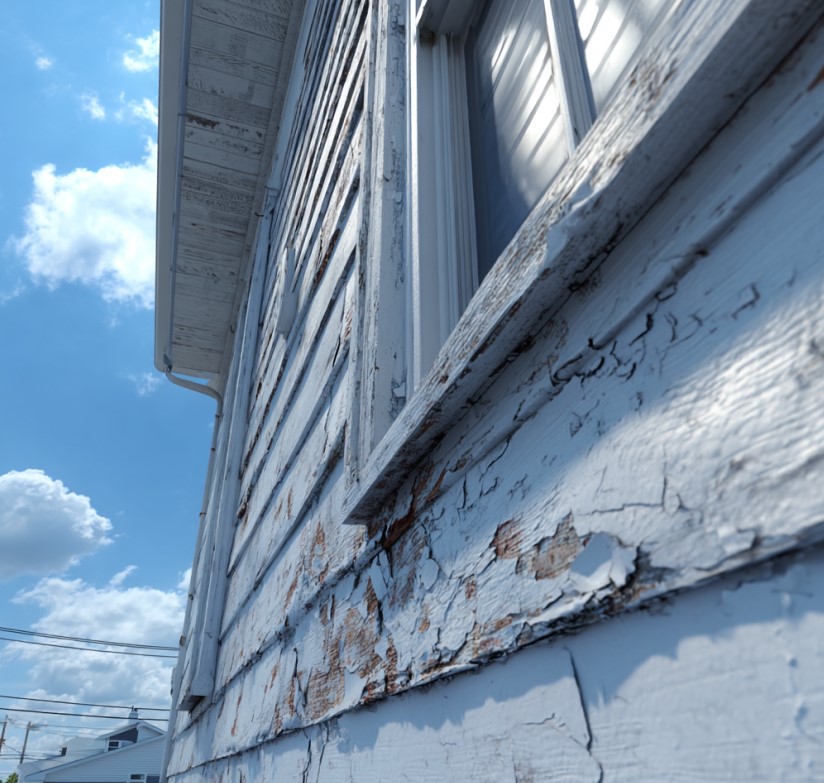
2. Prevent Further Damage
Insurance requires homeowners to mitigate additional loss.
This means:
- Covering exposed areas with a tarp
- Blocking water entry
- Securing loose siding
Keep receipts for any materials you purchase.
3. Call Your Insurance Provider
Report the claim right away. Provide:
- Description of the event
- When the damage happened
- Any emergency steps you’ve taken
You’ll be assigned an adjuster.
4. Get an Inspection from a Professional Siding Contractor
This is a vital but often overlooked step.
A reputable local contractor:
- Documents damage thoroughly
- Provides an estimate
- Helps communicate with the adjuster
- Advises you when a full replacement is justified
- Helps ensure you receive fair coverage
Most Louisiana homeowners get better outcomes when they involve a contractor early—not after the adjuster has already made a determination.
5. Meet With the Adjuster
When the insurance adjuster arrives:
- Have your contractor present
- Provide photos, notes, and receipts
- Ask questions
- Request explanations of any exclusions
You’re allowed (and encouraged) to have a contractor advocate for your home.
6. Review the Claim Settlement Offer
Once insurance processes your claim, review their settlement offer carefully:
- Does it include all damaged areas?
- Are materials matched?
- Does the coverage reflect your contractor’s estimate?
If anything feels off, request a reevaluation or second opinion.
How Much Will Insurance Pay for Siding Repairs in Louisiana?
There are a few moving pieces here:
Your Deductible
Some Louisiana policies have separate hurricane, wind, or named-storm deductibles.
These can be:
- Flat-rate
- Or a percentage of your home’s value
Always pay attention to this.
Actual Cash Value vs. Replacement Cost
Does your policy pay:
- Actual Cash Value (ACV) – payout is reduced for age and wear
- Replacement Cost Value (RCV) – pays for brand-new materials at today’s prices
Many Louisiana homeowners carry RCV because of the state’s storm-risk profile.
Material Matching Laws
If your siding product is discontinued, an insurer may be legally required to replace the entire elevation or the entire home so everything matches.
Not all adjusters are quick to offer this—but that’s where a contractor’s documentation becomes crucial.
Tips for Strengthening Your Claim
If you want the best outcome, don’t skip these:
- Keep a yearly record of maintenance
- Take before-and-after photos of your home
- Keep receipts for previous repairs
- Have a contractor perform a siding inspection after major storms
- Report damage promptly
- Don’t accept the first offer if it’s incomplete
- Keep all communication in writing
These steps help prove:
- You’ve maintained your home
- The damage is new
- It’s related to a covered event
Common Siding Problems Louisiana Homeowners Should Watch For
Here’s a quick overview of red flags that often lead to bigger issues (and more expensive repairs):
• Loose panels after storms
• Moisture bubbles or soft spots
• Warped or bent siding
• Green, black, or brown staining
• Cracks at corners or seams
• Gaps between panels
• Missing caulking
• Interior moisture spots or mold
If you see any of these, get an inspection quickly. Louisiana’s humidity can turn a small repair into a full replacement faster than you think.
Your Rights as a Louisiana Homeowner During a Siding Claim
In Louisiana, you have the right to:
• Hire your own contractor
• Receive documentation from your insurer
• Request a reinspection
• Appeal decisions
• Dispute lowball offers
• Require material matching when applicable
• Protect your home from further damage without voiding coverage
Insurance companies don’t always volunteer this information, so it pays to be informed.
FAQs: Siding Repair & Insurance Coverage in Louisiana
Does homeowners insurance cover siding damaged in a hurricane?
Yes—if you carry wind/hail or named-storm coverage. Many Louisiana policies include it, but some require separate endorsements.
Will insurance cover mold behind the siding?
Usually no, unless the mold was caused by a sudden covered event like storm damage. Mold from long-term moisture is considered neglect.
Is full siding replacement ever covered?
Absolutely.
If the damaged siding can’t be matched due to color fade or discontinued materials, you may qualify for full replacement.
Do I need to use the contractor recommended by my insurer?
No. You can choose any licensed contractor. Many homeowners prefer siding specialists who understand Louisiana claims.
How long does the insurance process take?
Typically 1–4 weeks, depending on:
- Adjuster workload
- Storm severity
- Whether the claim is disputed
What if the adjuster underestimates the damage?
Request a reinspection and submit your contractor’s documentation. You are legally allowed to dispute the estimate.
Can older siding still be covered?
Age doesn’t exclude coverage—but insurance may reduce the payout if you have an ACV policy instead of RCV. Sudden storm damage is still eligible.
Why Work with a Local Louisiana Siding Contractor?
Navigating a siding claim alone is like trying to patch a wall with one hand tied behind your back. Local contractors bring:
- Knowledge of Louisiana codes
- Familiarity with materials used in the region
- Expert documentation for insurance
- Understanding of wind/hail claim language
- Realistic estimates that match current market prices
- Experience negotiating with adjusters
Insurance isn’t your enemy—but they aren't on the jobsite with you. A contractor is.
Protect Your Home, Protect Your Investment
Siding damage is stressful—but getting it repaired doesn’t have to be.
Understanding your insurance policy, documenting damage thoroughly, and partnering with an expert contractor makes all the difference. Whether you're dealing with hurricane wind damage, moisture problems, or aging materials, knowing what your policy covers gives you control and confidence during the repair process.
If your siding has been damaged or you need a professional inspection after a storm, help is right around the corner.
Contact HDS Contractors in New Orleans, LA for expert siding assessments, insurance assistance, and high-quality repair or replacement services. Out experience with Louisiana homes—and Louisiana weather—ensures you get honest guidance, reliable support, and top-tier craftsmanship from start to finish.
Recent Articles

Residential Roofing
Do Metal Roofs Have Longer Warranties in Louisiana?
Metal roofs often come with longer warranties in Louisiana but not always, and not all warranties are created equal.
November 24, 2025
Residential Roofing
Questions to Ask Your Roofer: Safeguarding Your Investment
Choosing a roofer can feel daunting, but asking the right questions can make all the difference. Explore the top queries to ensure you find the perfect fit for your home.
November 17, 2025

Residential Gutters
Repairing Vinyl Gutters in Louisiana: Safeguarding Your Home
Vinyl gutters are a popular choice for Louisiana homes, but they can still fall victim to damage. Discover the best ways to repair your vinyl gutters and keep your home protected.
November 10, 2025
Residential Siding
Insurance Coverage for Siding Repair in Louisiana: A Comprehensive Guide
Protecting your Louisiana home from siding damage is crucial. Explore the insurance coverage options available to ensure your siding repair costs are covered.
November 3, 2025