

Should I Check My Roof for Wind Damage?
October 22, 2025
•
Written By
hdscontractors



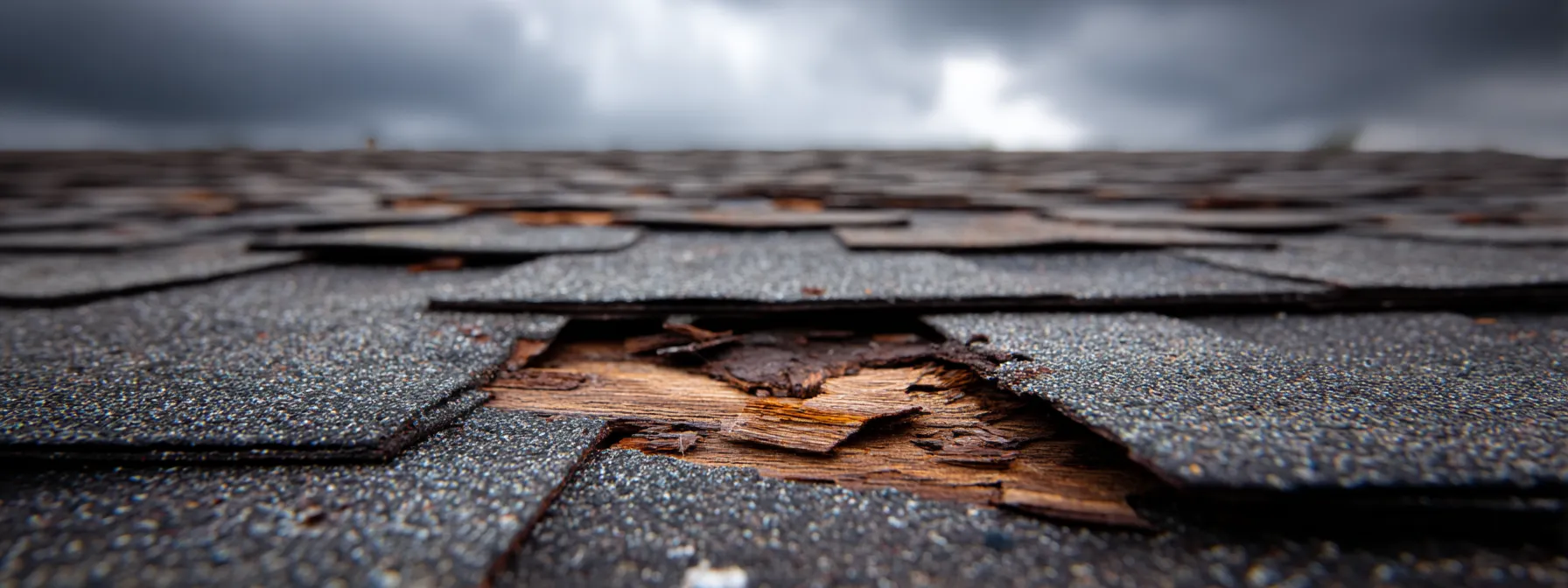
After a storm rolls through, most of us focus on the obvious cleanup — fallen branches, scattered debris, maybe a fence that didn’t survive the gusts. But there’s one place many homeowners forget to check: the roof. It’s easy to assume that if water isn’t dripping through the ceiling, your home made it through just fine. The truth is, wind damage can be sneaky, showing up slowly as leaks, loose shingles, or structural wear that grows worse over time.
In a city like New Orleans, where high winds and sudden storms are part of life, ignoring your roof after rough weather can cost you more than you realize. A simple inspection can mean the difference between a quick repair and a full replacement months later.
Let’s walk through why checking for wind damage matters, how to spot the signs, and what steps to take to protect your home — plus when it’s time to call in the professionals at HDS Contractors in New Orleans, LA for expert help.
Key Takeaways
- Wind damage isn’t always visible right away — early inspections prevent small issues from becoming big repairs.
- Missing or lifted shingles, loose flashing, and debris buildup are common warning signs.
- Homeowners can do a simple ground-level inspection safely, but professional roofers can uncover hidden damage.
- Acting quickly after a storm can protect your warranty, simplify insurance claims, and save thousands in future repairs.
Why Wind Damage Is More Serious Than It Looks
It doesn’t take a hurricane to cause roof damage. Even moderate winds — around 40 to 50 mph — can loosen shingles, shift flashing, and lift edges where rain can later seep through. The problem is that wind doesn’t hit evenly. Gusts swirl, pressure changes, and suction forces can pull shingles from corners, edges, and ridges first.
Once that protective barrier is compromised, every rainfall afterward becomes a threat. Water finds the smallest opening, seeping beneath layers until you’re dealing with leaks, mold, or wood rot. That’s why checking your roof for wind damage after every major storm is more than maintenance — it’s prevention.
In a humid, storm-prone area like New Orleans, that vigilance can make all the difference between a quick patch and a full replacement.
How to Spot Wind Damage on Your Roof
You don’t need to climb up on your roof to know something’s wrong — in fact, it’s better not to unless you’re trained for it. A careful walk around your property after a storm can reveal a lot. Grab a notepad, look from multiple angles, and keep an eye out for:
- Missing shingles: Bare patches or exposed underlayment are clear signs of wind lift.
- Curling or cracked shingles: Often caused by pressure changes that lift edges before snapping them back down.
- Granules in gutters or on the ground: A sign that shingle surfaces have worn off, leaving them vulnerable.
- Loose flashing: Metal strips around chimneys, skylights, and vents can lift or separate under strong winds.
- Sagging or uneven areas: Indicates structural shifting or moisture buildup beneath the surface.
- Debris buildup: Branches, leaves, or trash caught on the roof can block water flow and trap moisture.
If you notice any of these issues, it’s time to schedule a closer inspection. Even if your roof looks fine, hidden problems might exist beneath the shingles — especially if you’ve experienced high winds or flying debris.
The Hidden Signs You Might Miss
Wind damage doesn’t always announce itself with missing shingles. Sometimes, it shows up slowly through water stains or temperature changes inside your home. Watch for these subtle red flags in the weeks after a storm:
- Discolored or bubbling paint on ceilings and walls
- Musty smells, especially in attics or upper floors
- Drafts or temperature shifts in certain rooms
- Increased energy bills from compromised insulation
By the time these symptoms appear, the damage may have spread beyond the roof — into the insulation or structure itself. That’s why immediate inspection and repair are so important.
Why You Shouldn’t Wait to Inspect After a Storm
Many homeowners delay inspections because they assume insurance will cover damage whenever they file. Unfortunately, most policies require prompt reporting after a storm event. Waiting too long can complicate your claim or reduce coverage if your insurer argues the problem worsened due to neglect.
Beyond insurance, time is simply not on your side. Wind-damaged roofs deteriorate fast, especially under Louisiana’s constant humidity. The longer water has to seep in, the more layers it reaches — decking, insulation, drywall, and electrical systems can all be affected.
Calling a local roofing professional right after a storm means catching issues while they’re still simple to fix — and documenting everything properly for your insurance adjuster.
The Professional Roof Inspection Process
If you suspect wind damage, scheduling an inspection is your next step. Here’s what you can expect from a professional roofing crew like HDS Contractors:
- Exterior assessment: Roofers examine all slopes, edges, flashing, and vents for visible damage.
- Structural inspection: They look for soft spots or sagging areas that may indicate internal weakness.
- Underlayment and decking check: If shingles are missing or lifted, they’ll check beneath to confirm water hasn’t penetrated deeper layers.
- Gutter and drainage review: Clogged or bent gutters can also cause overflow and long-term rot.
- Detailed documentation: Photos and written reports help homeowners file accurate insurance claims.
Afterward, your contractor will explain your options — whether that’s a few targeted repairs or a full replacement. Either way, you’ll have a clear understanding of your roof’s condition and next steps.
What to Do if Wind Damage Is Found
If the inspection confirms wind damage, don’t panic — quick action keeps costs manageable. Here’s what you can do right away:
- Secure your roof: Cover exposed areas with tarps if more rain is expected.
- Contact your insurance company: File your claim promptly, providing documentation from your contractor.
- Schedule repairs quickly: Temporary fixes won’t last long in New Orleans’ unpredictable weather.
- Keep receipts and photos: They’ll help support your claim and verify repair completion.
Roof repairs are best handled by professionals with experience in storm recovery — not just for the technical skill, but for the safety and precision required to handle steep or fragile roofing systems.
Preventing Wind Damage in the Future
You can’t stop the wind, but you can help your roof stand up to it. A few proactive measures can strengthen your home against future storms:
- Schedule annual inspections: Catch minor issues before they turn into major problems.
- Trim nearby trees: Overhanging limbs are a leading cause of roof punctures during high winds.
- Secure flashing and gutters: Reinforcing these weak points helps prevent lift during gusts.
- Upgrade your roofing materials: Modern shingles and fasteners are engineered to resist higher wind speeds.
- Clean regularly: Remove debris after each storm to prevent water buildup.
Proactive maintenance gives you peace of mind — and helps your roof last years longer, even in Louisiana’s toughest weather.
FAQs About Checking for Wind Damage
How soon after a storm should I check my roof?
As soon as it’s safe. Early inspection helps catch issues while they’re small and ensures your insurance claim stays valid.
Can wind damage occur without missing shingles?
Yes. Even if shingles appear intact, they can lift slightly and break the seal underneath, allowing water to enter later.
Is it safe to check my roof myself?
Stick to ground-level inspections. Walking on the roof after a storm can be dangerous and may cause additional damage. Leave the climbing to professionals.
What wind speed causes roof damage?
Damage can start around 40 mph, depending on your roof’s age and materials. Higher winds increase the risk of lifted or torn shingles.
Should I replace my roof after one storm?
Not always. If damage is minor or limited to certain areas, targeted repairs can restore full protection. Your contractor will help determine the best option.
Keep Your Roof Storm-Ready with HDS Contractors
Your roof is your home’s first defense — and in a city known for strong winds and sudden downpours, it deserves regular attention. A quick inspection after every storm can protect your investment, extend your roof’s life, and keep your home safe and dry year-round.
At HDS Contractors in New Orleans, LA, we specialize in storm and wind damage inspections, repairs, and full replacements. Our experienced crews understand the challenges Louisiana homeowners face and know how to restore your roof to top shape fast.
Don’t wait for a leak to tell you something’s wrong. Call HDS Contractors today to schedule a roof inspection and make sure your home is ready for whatever the next storm brings.
Recent Articles

Residential Roofing
Do Metal Roofs Have Longer Warranties in Louisiana?
Metal roofs often come with longer warranties in Louisiana but not always, and not all warranties are created equal.
November 24, 2025
Residential Roofing
Questions to Ask Your Roofer: Safeguarding Your Investment
Choosing a roofer can feel daunting, but asking the right questions can make all the difference. Explore the top queries to ensure you find the perfect fit for your home.
November 17, 2025

Residential Gutters
Repairing Vinyl Gutters in Louisiana: Safeguarding Your Home
Vinyl gutters are a popular choice for Louisiana homes, but they can still fall victim to damage. Discover the best ways to repair your vinyl gutters and keep your home protected.
November 10, 2025
Residential Siding
Insurance Coverage for Siding Repair in Louisiana: A Comprehensive Guide
Protecting your Louisiana home from siding damage is crucial. Explore the insurance coverage options available to ensure your siding repair costs are covered.
November 3, 2025